Navigating the Complexities of Custom Injection Blow Molding Processes
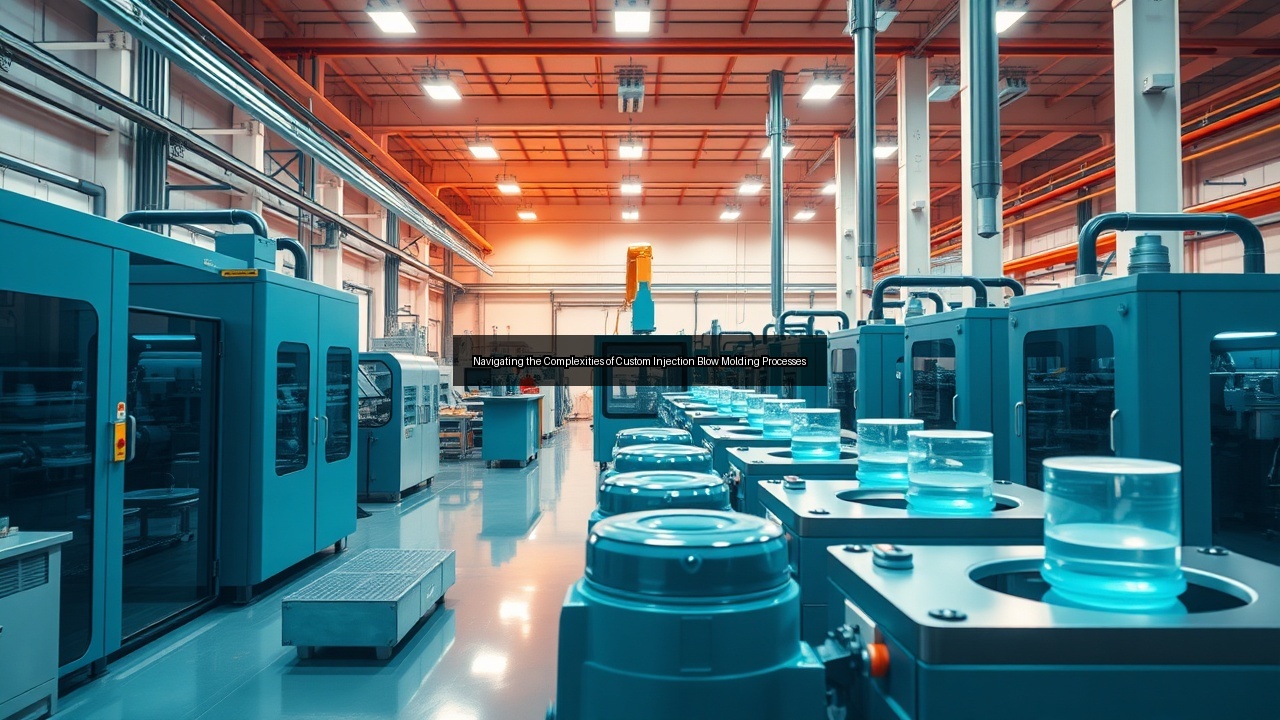
Understanding Custom Blow Molding Processes
Overview of Blow Molding Techniques
Custom blow molding is a manufacturing process widely used for producing hollow plastic parts. The technique allows manufacturers to create complex shapes that are lightweight yet sturdy. Blow molding involves inflating a heated plastic tube, known as a parison, within a mold. The air pressure expands the plastic to fill the mold cavity, resulting in a finished product. This approach is efficient for mass production, making it a favored choice in various industries, including packaging, automotive, and consumer products. Understanding the nuances of blow molding techniques is crucial for businesses looking to optimize their production methods and ensure high-quality outputs.
Types of Custom Blow Molding
Custom blow molding encompasses several techniques, primarily categorized into three types: extrusion blow molding, injection blow molding, and injection stretch blow molding. Extrusion blow molding involves extruding a parison through a die, which is then formed in a mold. This method is particularly effective for larger containers. Injection blow molding combines traditional injection molding with blow molding, allowing for precise control over the material and dimensions of the product. Lastly, injection stretch blow molding enhances the strength of the finished product by stretching the parison as it expands, making it ideal for applications requiring durability. Each method offers unique advantages and applications, enabling manufacturers to select the best approach for their specific needs.
The Role of Blow Molds in Production
Blow molds are integral to the custom blow molding process, as they dictate the final shape and characteristics of the product. The design of a blow mold can significantly impact production efficiency, material usage, and product quality. Advanced mold-making techniques have evolved to create complex geometries and improve cycle times. Manufacturers often employ computer-aided design (CAD) software to optimize mold designs, ensuring precision and reducing waste. Choosing the right blow mold manufacturer is essential, as quality molds lead to better overall production outcomes. Investing in high-quality blow molds not only enhances product performance but also contributes to the sustainability of the manufacturing process.
Key Techniques in Custom Blow Molding
Injection Blow Molding vs. Extrusion Blow Molding
Both injection blow molding and extrusion blow molding serve distinct purposes in the realm of custom blow molding. Injection blow molding involves injecting molten plastic into a mold to create a preform, which is then inflated. This method allows for greater control over the thickness and material characteristics of the final product. In contrast, extrusion blow molding utilizes a continuous process where a parison is formed and then inflated in a mold. While extrusion blow molding is generally more cost-effective for larger quantities, injection blow molding excels when precision and detail are paramount. Each technique offers unique benefits, making it vital for manufacturers to assess their project requirements carefully.
Exploring Injection Stretch Blow Molding
Injection stretch blow molding stands out as a hybrid technique that combines the benefits of both injection and blow molding. This method involves stretching the parison both axially and radially, which enhances the molecular orientation of the plastic. The result is a finished product with superior strength and clarity, making it ideal for applications such as beverage bottles and pharmaceutical containers. The stretching process also reduces the weight of the final product while maintaining structural integrity. As businesses seek to create lightweight yet durable packaging solutions, injection stretch blow molding becomes increasingly relevant in the custom blow molding landscape.
Advantages of Stretch Blow Molding
Stretch blow molding offers numerous advantages that make it a preferred choice for many industries. The process not only enhances the strength of the blow-molded products but also improves their aesthetic appeal. Manufacturers often find that products made through stretch blow molding exhibit superior clarity and gloss, making them more attractive to consumers. Additionally, this technique allows for the production of thinner walls, which contributes to material savings and reduced costs. The energy efficiency of the process further enhances its appeal, aligning with the growing emphasis on sustainability within the plastics industry. Overall, stretch blow molding provides a compelling solution for businesses aiming to innovate while managing production costs.
Design and Development in Custom Blow Molding
Importance of Mold Making in Blow Molding
Mold making plays a critical role in the custom blow molding process. The precision and quality of the mold directly influence the final product's performance and aesthetics. Skilled mold makers utilize advanced techniques such as CNC machining and 3D printing to create molds that meet exact specifications. This attention to detail ensures that each blow-molded part maintains consistency and quality across large production runs. Investing in high-quality mold making not only enhances product reliability but also contributes to efficient production cycles. Businesses that prioritize mold quality often experience lower defect rates and improved customer satisfaction, reinforcing the significance of skilled mold making in the blow molding industry.
Leading Edge Design Innovations
Innovation in design has transformed the custom blow molding landscape. Manufacturers now leverage cutting-edge technologies like computer-aided design (CAD) and finite element analysis (FEA) to create molds that optimize material flow and reduce production time. These innovations facilitate the development of complex geometries that were once deemed impractical. Additionally, advancements in materials science have led to the creation of more versatile plastics that can withstand varying environmental conditions. As businesses strive for competitive advantages, embracing leading-edge design innovations becomes essential for delivering high-quality blow-molded products that meet evolving market demands.
Selecting the Right Custom Blow Mold Manufacturer
Choosing the right custom blow mold manufacturer is crucial for ensuring success in the blow molding process. Factors to consider include the manufacturer's experience, technological capabilities, and ability to meet specific design requirements. A reputable manufacturer will have a proven track record of producing high-quality molds, along with the necessary certifications to guarantee compliance with industry standards. Additionally, strong communication and collaboration between the manufacturer and the client play an essential role in achieving desired outcomes. Conducting thorough research and vetting potential partners can significantly enhance the quality of the final products and streamline the production process.
Applications and Benefits of Custom Blow Molding
Industries Utilizing Custom Blow Molded Products
Custom blow-molded products find applications across various industries, including packaging, automotive, consumer goods, and healthcare. The packaging industry is one of the largest consumers of blow-molded products, utilizing them for bottles, containers, and jars. In the automotive sector, blow molding produces components such as fuel tanks and bumpers that require durability and lightweight properties. Consumer goods, ranging from toys to household items, also leverage custom blow molding for innovative designs. Healthcare applications include custom blow molding manufacturer medical containers and devices that require sterile and reliable packaging. The versatility of custom blow molding enables industries to create tailored solutions that meet specific needs.
Cost-Effectiveness and Efficiency in Production
Custom blow molding offers significant cost-effectiveness and efficiency in production. The ability to produce large quantities of uniform products reduces per-unit costs, making it an attractive option for manufacturers. Additionally, modern blow-molding machinery is designed for speed and precision, minimizing cycle times and maximizing output. The streamlined process allows for rapid prototyping and shorter lead times, which can be crucial in competitive markets. By optimizing material use and reducing waste, custom blow molding promotes sustainability while maintaining economic viability. Companies that harness the benefits of this manufacturing method often see improved profit margins and enhanced competitiveness.
Sustainability Considerations in Plastic Blow Molding
Sustainability plays an increasingly important role in custom blow molding. As environmental concerns grow, manufacturers seek to implement eco-friendly practices throughout the production process. This includes using recycled materials and optimizing designs to minimize plastic usage. Innovative approaches like bioplastics are gaining traction, offering renewable alternatives to traditional petroleum-based plastics. Furthermore, advancements in recycling technologies allow for the reclamation of blow-molded products, reducing landfill waste. By prioritizing sustainability, businesses not only meet regulatory requirements but also align with consumer preferences for environmentally responsible products, enhancing their brand reputation and marketability.
See Also
- Custom Blow Molding Solutions for Challenging Design Requirements
- Understanding the Cost Factors in Custom Blow Molding Projects
- Custom Blow Molding vs Traditional Methods Which is Right for Your Project
- Unlocking the Secrets of Custom Blow Molding for Unique Plastic Designs
- The Benefits of Partnering with Custom Blow Molding Services for Startups