Curing Methods for Thermoset Plastics Enhancing Performance
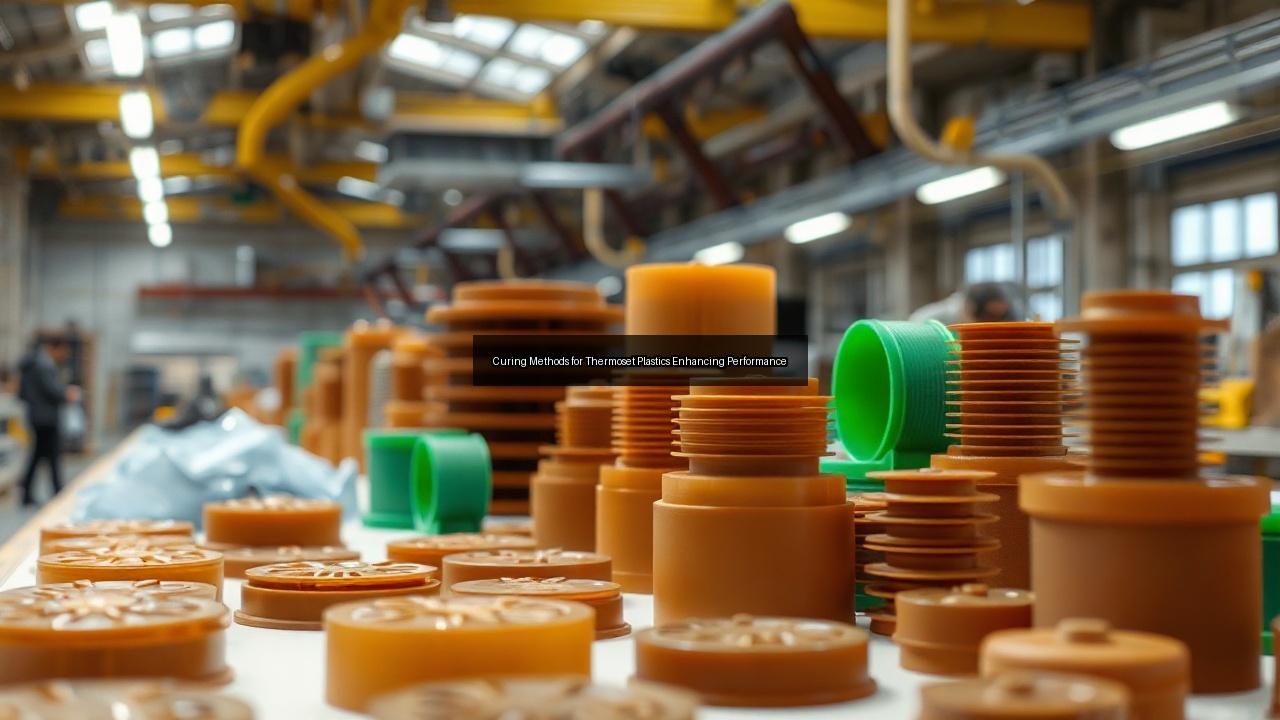
Understanding Thermoset Plastics
Chemical Composition of Thermoset Plastics
Thermoset plastics consist of polymers that undergo a chemical change when heated, creating a rigid, infusible structure. This transformation is irreversible, which means once the thermoset plastic cures, it cannot be remelted or reshaped. The chemical composition typically includes a resin and a hardener that react under heat, creating a cross-linked network of molecules. This cross-linking enhances the material's strength and durability, offering excellent resistance to heat, chemicals, and mechanical stress. Understanding the chemical composition is crucial for manufacturers when selecting the right thermoset for specific applications in industries like automotive, aerospace, and healthcare.
Differences Between Thermosets and Thermoplastics
Thermosets and thermoplastics represent two distinct categories of plastics, each with unique properties and applications. Thermoplastics can be melted and reshaped multiple times, providing versatility in fabrication. In contrast, thermoset plastics, once set, cannot be remolded, making them suitable for applications requiring stability and strength. This distinction impacts their performance in various environments. For instance, thermosets excel in high-temperature applications where dimensional stability is essential. Understanding these differences helps engineers and designers choose the right material for specific requirements, ensuring optimal performance and longevity in their products.
Common Types of Thermoset Plastics: Acrylic, Polyurethane, and PVC
Among the notable types of thermoset plastics, acrylic, polyurethane, and polyvinyl chloride (PVC) stand out due to their unique properties and widespread use. Acrylic offers excellent clarity and weather resistance, making it ideal for applications like signage and displays. Polyurethane is renowned for its flexibility and durability, often used in coatings, adhesives, and foams. PVC, while commonly used as a thermoplastic, can also be formulated as a thermoset, providing excellent chemical resistance and electrical insulation. Each of these thermoset plastics plays a vital role in various industries, showcasing the versatility and functionality of thermoset materials.
Curing Methods and Their Impact
Heat Curing: The Traditional Approach
Heat curing remains the most traditional and widely adopted method for curing thermoset plastics. This process involves applying heat to the thermoset resin and hardener mixture, facilitating the chemical reaction that leads to cross-linking. The heat activates the hardener, initiating the curing process, which can take anywhere from minutes to hours, depending on the material and desired properties. This method allows for precise control over the curing time and temperature, ensuring optimal performance characteristics in the final product. Industries like automotive and aerospace often rely on heat curing for its reliability and proven track record in enhancing the mechanical properties of thermosets.
Chemical Curing: Efficiency and Cost Considerations
Chemical curing involves using specific catalysts or hardeners that trigger the curing process at room temperature, eliminating the need for additional heat. This method offers significant advantages, including reduced energy consumption and shorter processing times. Chemical curing is particularly appealing for large-scale manufacturing, where efficiency translates to cost savings. However, the choice of chemical curing agents can impact the final properties of the thermoset plastic. Manufacturers must carefully consider these factors to ensure that the cured material meets the necessary performance standards, especially in demanding applications such as electrical insulation and automotive components.
Innovative Curing Techniques in Manufacturing
Recent advancements in curing technologies are revolutionizing the manufacturing landscape for thermoset plastics. Techniques such as ultraviolet (UV) curing and electron beam (EB) curing offer rapid processing times and enhanced material properties. UV curing, for instance, uses light to initiate the curing process, significantly reducing production times while maintaining high-quality results. Similarly, EB curing provides deep penetration and rapid curing, making it suitable for thick sections of thermoset materials. These innovative methods not only improve efficiency but also open new avenues for developing high-performance thermoset plastics that can withstand extreme environments, such as those found in aerospace applications.
Applications of Thermoset Plastics in Various Industries
Thermoset Plastics in Healthcare: Safety and Performance
In the healthcare sector, thermoset plastics play a critical role in producing medical devices and equipment. Their chemical resistance and durability make them ideal for applications that require stringent safety standards. For instance, thermoset materials are used in surgical instruments, prosthetics, and dental products. The ability to withstand sterilization processes without degrading ensures that these components remain safe and effective. Additionally, the electrical insulation properties of certain thermosets make them suitable for medical devices that require electronic components. Overall, the performance characteristics of thermosets enhance the reliability and safety of healthcare applications, contributing to improved patient outcomes.
The Role of Thermosets in the Automotive Industry
Thermoset plastics are indispensable in the automotive industry, where lightweight and high-strength materials contribute to vehicle efficiency and performance. Components such as bumpers, dashboards, and engine covers benefit from the impact resistance and thermal stability offered by thermosets. Moreover, these materials can be molded into complex shapes, allowing for greater design flexibility. The automotive sector also values thermoset plastics for their ability to withstand harsh environmental conditions, including exposure to chemicals and extreme temperatures. As manufacturers strive for sustainability, the use of thermoset plastics can help reduce vehicle weight, leading to improved fuel efficiency and lower emissions.
Aerospace Applications: Enhancing Impact Resistance and Durability
The aerospace industry demands materials that excel in performance under extreme conditions. Thermoset plastics meet these requirements by offering exceptional impact resistance, thermal stability, and lightweight properties. Applications range from structural components to interior parts, where both weight savings and strength are paramount. The advanced manufacturing techniques associated with thermosets, such as composite fabrication, allow for the creation of complex geometries that enhance the overall performance of aircraft. Additionally, the use of thermoset plastics contributes to noise reduction and improved passenger comfort, making them a preferred material in modern aircraft design.
Sustainability and Future Trends in Thermoset Plastics
Eco-friendly Curing Methods for Sustainable Practices
Sustainability has become a focal point in the development of thermoset plastics. Manufacturers are exploring eco-friendly curing methods that minimize environmental impact. Innovations such as bio-based resins and low-emission curing agents are gaining traction, allowing for greener production processes. These sustainable practices not only reduce the carbon footprint but also appeal to environmentally conscious consumers and businesses. Emphasizing sustainability in thermoset production can enhance brand reputation and open new markets, particularly in Europe, where regulations increasingly favor eco-friendly materials.
Advancements in Thermoset Recycling Technologies
Recycling thermoset plastics presents unique challenges due to their irreversible curing process. However, advancements in thermoset recycling technologies are emerging, enabling the recovery and repurposing of these materials. Techniques such as chemical recycling break down thermosets into their original monomers, allowing for the creation of new thermoset products. This innovation not only conserves resources but also addresses the growing concern of plastic waste in various environments. As recycling technologies continue to evolve, they will play a crucial role in establishing a circular economy for thermoset plastics.
The Future of Thermoset Plastics in Construction and Other Environments
The construction industry is poised to benefit significantly from innovations in thermoset plastics. Their durability, resistance to moisture, and thermal stability make them ideal for applications like composite materials in building structures. Additionally, thermosets can enhance the performance of insulation materials, contributing to energy-efficient designs. As urbanization continues to rise, the demand for robust and sustainable building materials will drive further research and development in thermoset technologies. The future of thermosets in construction and other environments appears promising, as manufacturers seek to leverage their unique properties for enhanced performance and sustainability.
See Also
- Navigating the Advantages of Thermoset Plastics in Consumer Products
- How Thermoset Plastics Are Shaping the Aerospace Industry
- Thermoset Plastics Revolutionizing the Automotive Supply Chain
- Thermoset Plastic in Healthcare Innovations for a Sustainable Future
- Unlocking the Power of Thermoset Plastic in Modern Manufacturing